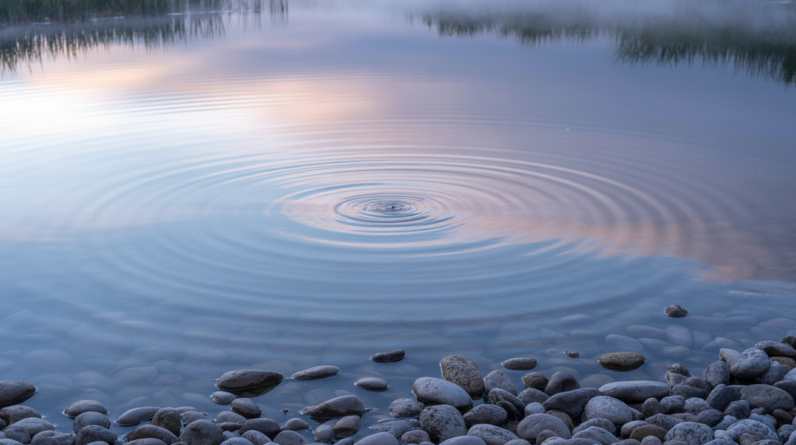
The Poetry of Tai Chi: Learning Through Images and Movement
One of the first things many people notice about Tai Chi is the names.
Parting the Wild Horse’s Mane.
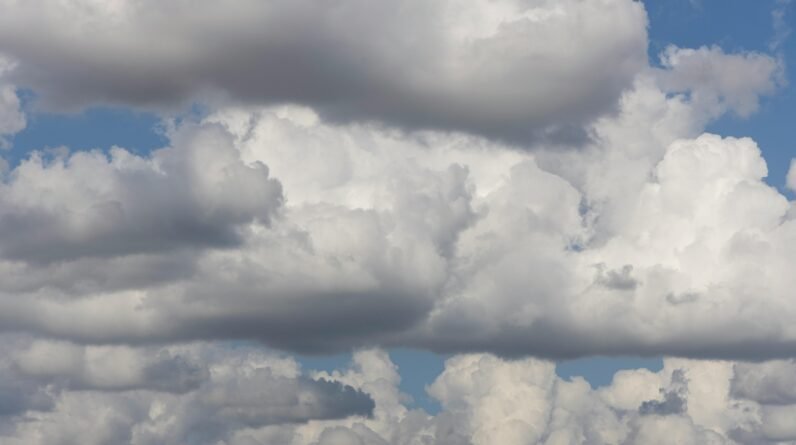
Wave Hands Like Clouds.
White Crane Spreads Wings.
Repulse Monkey.
At first, they can sound unusual.
Even a little mysterious.
But these names serve an important purpose.
They are not simply labels for techniques.
They are invitations into a feeling.
Beyond Mechanical Movement
In many forms of exercise, movement is described mechanically:
Raise the arm.
Rotate the shoulder.
Extend the leg.
Tai Chi often takes a different approach.
Rather than focusing only on positions, it offers imagery.
Clouds.
Animals.
Natural movements.
Simple actions from daily life.
These images encourage movement to become more fluid and less rigid.
They invite imagination into the practice.
Parting the Wild Horse’s Mane
Imagine gently separating the mane of a horse.
There is no force.
No abrupt motion.
One hand rises while the other lowers.
The movement opens gradually.
As the torso turns and the body participates, the action begins to feel connected rather than isolated.
The image creates a quality of movement that is difficult to explain through mechanics alone.
Wave Hands Like Clouds
Clouds do not move abruptly.
They drift.
They shift.
They continuously change shape.
This movement asks us to bring that same feeling into the body.
The hands move in circular patterns, traveling across space with a sense of softness and continuity.
Rather than reaching or forcing, we allow the movement to unfold naturally.
Images Change the Experience
This may seem like a small detail.
But imagery often changes movement dramatically.
When movement is approached only as technique, it can become rigid.
When movement is approached through feeling and image, something softer often appears.
The body responds differently.
The breath changes.
Attention becomes less analytical and more direct.
Tai Chi as Moving Meditation
Over time, these names begin to serve another purpose.
They help shift attention away from performance and toward experience.
Less concern with “doing it right.”
More attention to flow.
To rhythm.
To continuity.
In this way, movement gradually becomes something more than exercise.
It becomes a form of moving meditation.
A Simple Practice
The next time you encounter a movement name, pause before learning the mechanics.
Ask:
What does this image feel like?
What quality does it suggest?
What happens if I move that way?
Sometimes the image itself becomes the instruction.
If you’d like to explore these principles through guided, fully seated practice, you can learn more through Seated Chi Flow™.