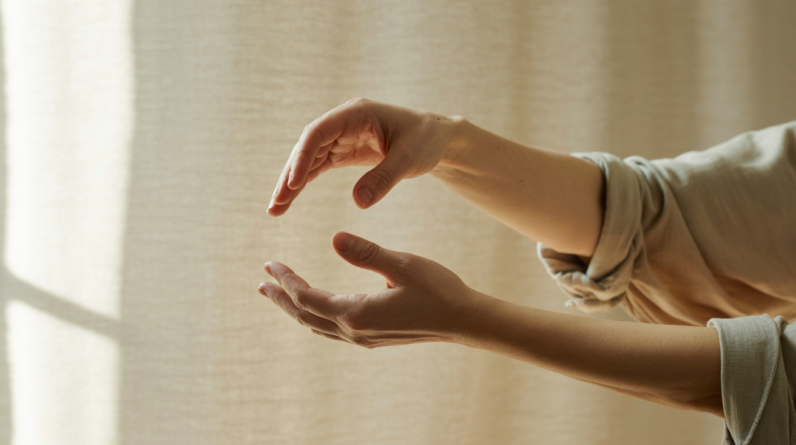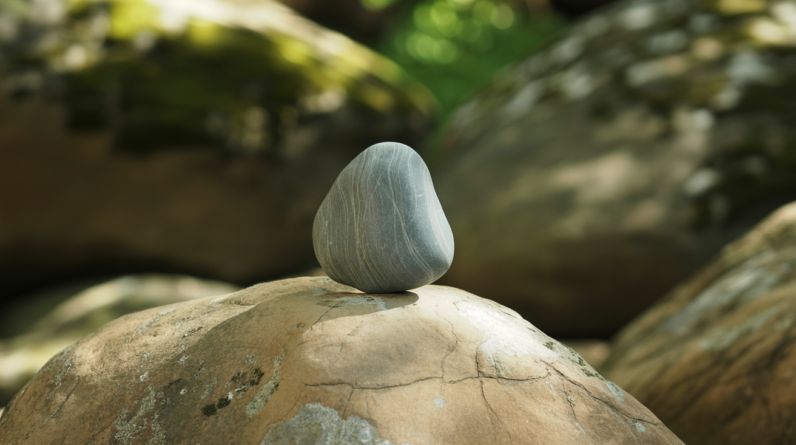
In Tai Chi, there is a simple guiding principle:
Not too much. Not too little.
At first, this applies to movement.
How far should you reach?
How much effort should you use?
How quickly should you move?
Too much creates tension.
Too little reduces connection.
The goal is not perfection, but balance — a middle ground where the body can move with both ease and intention.
Finding the Right Amount
Each person’s “right amount” is different.
What feels like too much for one person may feel like too little for another.
This is why awareness is so important.
Rather than forcing a movement to look a certain way, we begin to sense:
Is there unnecessary effort here?
Am I holding back more than needed?
With practice, these questions become easier to answer.
Movement, Breath, and Balance
This principle also applies to the breath.
Breathing too forcefully can create strain.
Breathing too lightly can feel disconnected.
Instead, we allow the breath to remain natural — supporting the movement without controlling it.
In this way, movement and breath begin to work together.
Beyond Practice
“Not too much, not too little” extends beyond Tai Chi.
It can be observed in daily life:
Working without overexertion.
Resting without withdrawal.
Speaking without force.
Listening without distraction.
Balance is not something we achieve once.
It is something we adjust, moment by moment.
A Simple Practice
As you move through your day, notice:
Where might you be doing too much?
Where might you be doing too little?
See if you can soften slightly…
or engage just a bit more.
Small adjustments often create the greatest change.
If you’d like to explore this principle through gentle, guided practice, you can learn more through Seated Chi Flow™.