


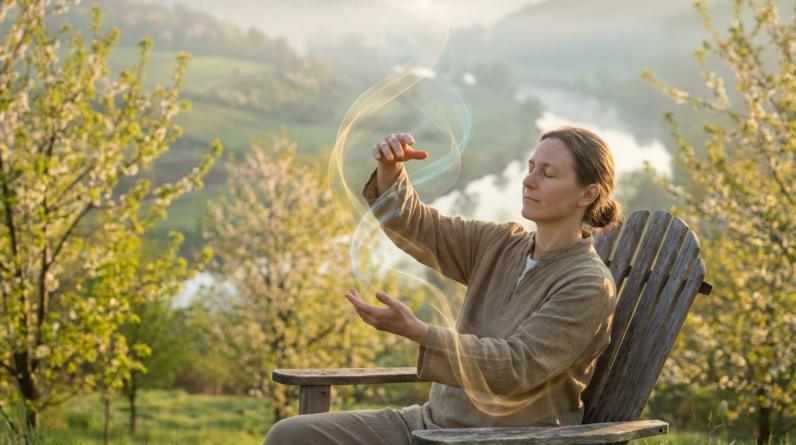
Every year, as winter fades and spring begins, people notice something subtle but unmistakable happening in their bodies.
Energy shifts.
You might feel a sudden urge to clean your home, spend time outdoors, move more, or start something new. At the same time, many people experience fatigue, irritability, stiffness, or digestive sluggishness during this seasonal transition.
Traditional Chinese Medicine (TCM) has explained this pattern for thousands of years.
According to TCM, spring is the season when Yang energy rises and life begins to expand again. Trees sprout, animals awaken, and the body’s internal systems move from conservation mode toward growth and movement.
The problem is that modern lifestyles often leave our bodies stuck in winter energy—sluggish, stagnant, and disconnected from the natural seasonal rhythm.
The solution is simple:
a seasonal reset designed to help your body transition into spring energy.
This guide explains how to prepare your body for spring using the wisdom of Traditional Chinese Medicine, including movement, nutrition, emotional balance, and daily practices that restore natural energy flow.
Spring Is Coming… Is Your Energy Ready?
As spring approaches, I recently asked a simple question in one of my YouTube Shorts:
“Spring is coming… is your energy ready?”
It’s a short reflection, but the question points to something deeper.
Most people naturally feel the shift in seasonal energy — the urge to move more, clean, create, or begin new projects. Traditional Chinese Medicine explains that this feeling is not random. It reflects the rising Yang energy of spring, which encourages expansion and growth.
However, if the body is still holding onto winter stagnation — physically or emotionally — that seasonal momentum can feel blocked. Instead of feeling energized, people may experience tension, irritability, or fatigue.
That’s why seasonal preparation matters.
By gently adjusting our movement, diet, breathing, and daily rhythm, we can align the body with the natural energy of spring rather than fighting against it.
Why Spring Energy Matters in Traditional Chinese Medicine
In Traditional Chinese Medicine, health depends on harmonizing the body with seasonal cycles.
Each season corresponds to a Five Element energy pattern that governs specific organs, emotions, and physical functions.
Spring is associated with the Wood Element, which represents:
-
Growth
-
Expansion
-
Renewal
-
Creativity
-
Movement
Within the body, the Wood Element is linked to the Liver and Gallbladder organ systems.
The Role of the Liver System in Spring
In TCM, the Liver system regulates the smooth flow of Qi (vital energy) throughout the body.
When Liver Qi flows freely:
-
Energy rises naturally in the morning
-
Emotions remain balanced
-
Muscles and tendons stay flexible
-
Digestion functions smoothly
But when Liver Qi becomes stagnant, common symptoms appear:
-
irritability or frustration
-
muscle tightness
-
fatigue or sluggishness
-
headaches
-
digestive discomfort
Spring is the season when the Liver system becomes most active, making it the ideal time to clear stagnation and restore energy flow.
This is why TCM emphasizes preparing the body for spring rather than simply reacting to seasonal symptoms.
Signs Your Body Is Out of Sync With Spring Energy
Many people feel subtle signals that their body is struggling to shift from winter to spring.
Traditional Chinese Medicine recognizes several common patterns.
Physical Signs
-
stiffness in the neck or shoulders
-
sluggish digestion after winter foods
-
low morning energy
-
headaches or tension
Emotional Signals
Spring energy encourages expansion and movement.
When energy is blocked, emotions often reflect that stagnation.
Common emotional indicators include:
-
irritability
-
frustration
-
restlessness
-
feeling “stuck”
Energy Flow Disruptions
In TCM language, these symptoms reflect Liver Qi stagnation, meaning the body’s natural energy pathways need activation.
Fortunately, restoring balance doesn’t require complicated treatments.
Small daily practices can gently reset your internal energy for spring.
Traditional Chinese Medicine’s 5-Step Spring Energy Reset
The following seasonal reset follows principles used in Tai Chi, Qigong, and Traditional Chinese Medicine.
Each step helps the body transition from winter’s conservation energy toward spring’s natural growth cycle.
Step 1 – Clear Winter Stagnation
Winter encourages rest, warmth, and heavier foods.
But by early spring, the body often needs lightness and circulation.
TCM practitioners frequently recommend:
-
lighter meals
-
increased hydration
-
gentle detox practices
-
more movement
Spring Foods That Support the Liver System
Seasonal foods are considered especially beneficial because they align with nature’s rhythms.
Foods traditionally associated with spring include:
-
leafy greens
-
sprouts
-
asparagus
-
radishes
-
lemon or mildly sour foods
In TCM dietary theory, sour flavors support the Liver system and help stimulate digestion.
Step 2 – Activate Qi Through Movement
Movement is one of the most powerful ways to awaken spring energy.
Unlike intense exercise, TCM practices emphasize smooth, flowing movement that encourages circulation of Qi.
Two of the most effective practices include:
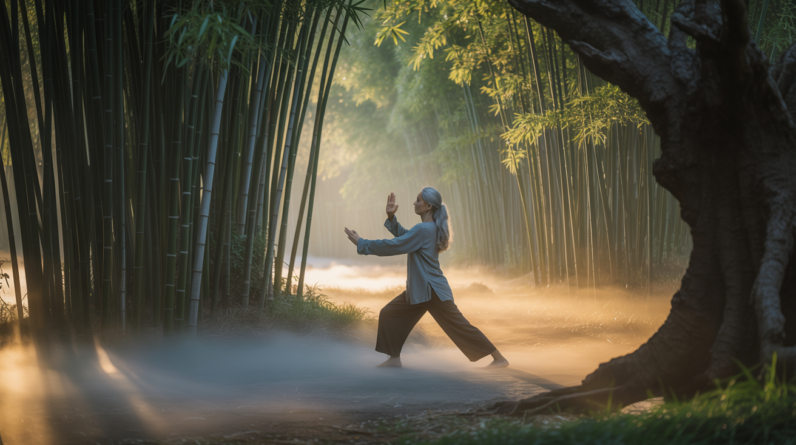
Tai Chi
Tai Chi uses slow, circular movements to stimulate:
-
circulation
-
balance
-
nervous system relaxation
-
joint mobility
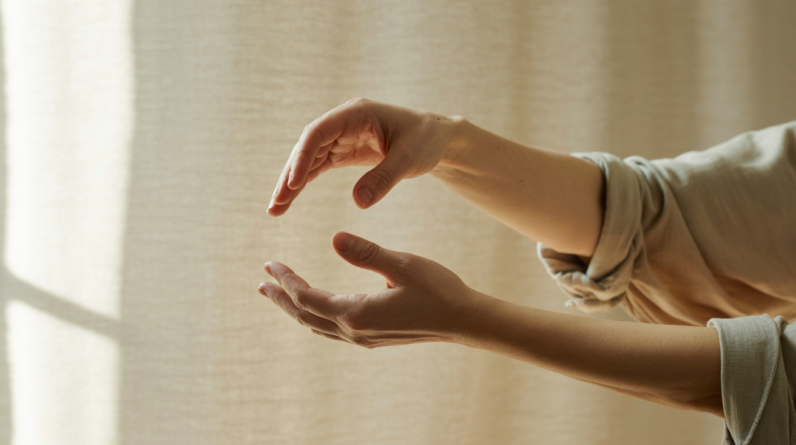
Qigong
Qigong focuses on coordinating:
-
breath
-
posture
-
gentle movement
-
mental awareness
Many Qigong exercises specifically target the Liver meridian, helping energy move upward and outward in harmony with spring.
Step 3 – Align Your Daily Rhythm With Spring
As spring approaches, Yang energy rises earlier in the day.
Traditional Chinese Medicine encourages adapting to this shift.
Helpful seasonal habits include:
-
waking earlier in the morning
-
spending time outdoors
-
increasing light physical activity
-
reducing late-night routines
Morning sunlight helps regulate circadian rhythms, which modern science confirms plays a crucial role in energy regulation.
Step 4 – Nourish the Wood Element
Each element in TCM responds to specific lifestyle patterns.
To strengthen the Wood Element in spring, focus on flexibility and upward energy movement.
Supportive habits include:
-
stretching exercises
-
Tai Chi spiral movements
-
outdoor walking
-
deep breathing practices
Foods that support the Wood Element often include fresh green vegetables, which symbolize growth and renewal.
Step 5 – Cultivate Emotional Flow
In Traditional Chinese Medicine, emotional health directly affects physical energy.
The emotion associated with the Liver system is anger or frustration, but when balanced, the same energy transforms into creativity, vision, and forward momentum.
Helpful practices include:
-
breathwork
-
meditation
-
journaling
-
gentle movement practices like Tai Chi
Allowing emotions to move naturally prevents energy stagnation.
In this sense, emotional flow is just as important as physical movement.
A Simple 10-Minute Spring Energy Routine
You can activate spring energy with a short daily practice.
Morning Activation (3 minutes)
-
gentle shoulder circles
-
slow twisting movements
-
deep breathing
Midday Energy Reset (4 minutes)
-
light stretching
-
short outdoor walk
-
mindful breathing
Evening Relaxation (3 minutes)
-
quiet breathing practice
-
gentle spinal movements
-
relaxation of the neck and shoulders
These small practices help keep Qi flowing smoothly throughout the day.
How Tai Chi and Qigong Naturally Align With Spring Energy
Tai Chi and Qigong are often considered ideal practices for seasonal balance.
Both systems incorporate movements that reflect nature’s patterns:
-
circular motion
-
spiral energy
-
gradual expansion
Many movements mimic the growth patterns of plants in spring, rising gently upward while remaining rooted.
This is one reason these practices have long been associated with longevity and vitality.
How Seasonal Energy Is Integrated Into Tai Chi and Qigong Training
In my own teaching of Tai Chi and Qigong, I regularly incorporate principles from Five Element theory, including the importance of aligning our practice with seasonal energy.
Each season emphasizes a different energetic quality. Spring is associated with the Wood Element, which represents growth, flexibility, creativity, and forward movement.
That’s why spring practices often emphasize:
-
gentle spiraling movements
-
expanding arm patterns
-
exercises that activate the Liver meridian
-
breathing practices that encourage upward energy flow
These movements help the body transition from the slower, inward energy of winter toward the expansive momentum of spring.
For many people — especially those with joint pain, balance concerns, or mobility limitations — standing practices may not always be accessible.
That’s one reason I created Seated Chi Flow™, a fully seated Tai Chi and Qigong program designed to make these practices available to everyone.
The program includes:
-
gentle seated Tai Chi movements
-
Qigong breathing exercises
-
practices designed to improve circulation and relaxation
-
seasonal training aligned with Five Element energy cycles
If you’d like to explore these practices further, you can learn more here:
The goal is simple: helping people reconnect with their body’s natural energy flow — in a way that is safe, accessible, and deeply calming.
Frequently Asked Questions
What does “spring energy” mean in Traditional Chinese Medicine?
Spring energy refers to the rising Yang energy of the Wood Element, associated with growth, expansion, and the Liver system.
Why is the liver important during spring?
In TCM, the Liver regulates the smooth flow of Qi. Spring activates this system, making it important to support liver energy through movement, diet, and emotional balance.
What exercises help activate spring energy?
Gentle practices such as Tai Chi, Qigong, stretching, and walking outdoors are commonly recommended.
What foods support spring energy?
Leafy greens, sprouts, and slightly sour foods are traditionally associated with nourishing the Liver system during spring.
The Bigger Lesson of Spring Energy
Traditional Chinese Medicine reminds us of something modern culture often forgets:
health is not static—it moves with the seasons.
Spring invites us to:
-
release stagnation
-
move more freely
-
nourish new growth
-
reconnect with nature’s rhythms
By making small seasonal adjustments, we can align our energy with the natural cycles that have supported human health for centuries.
And when that alignment happens, vitality tends to return naturally.





1 Comment
Comments are closed.